New York to Rochester via the #63 Maple Leaf, 6 hours 58 minutes
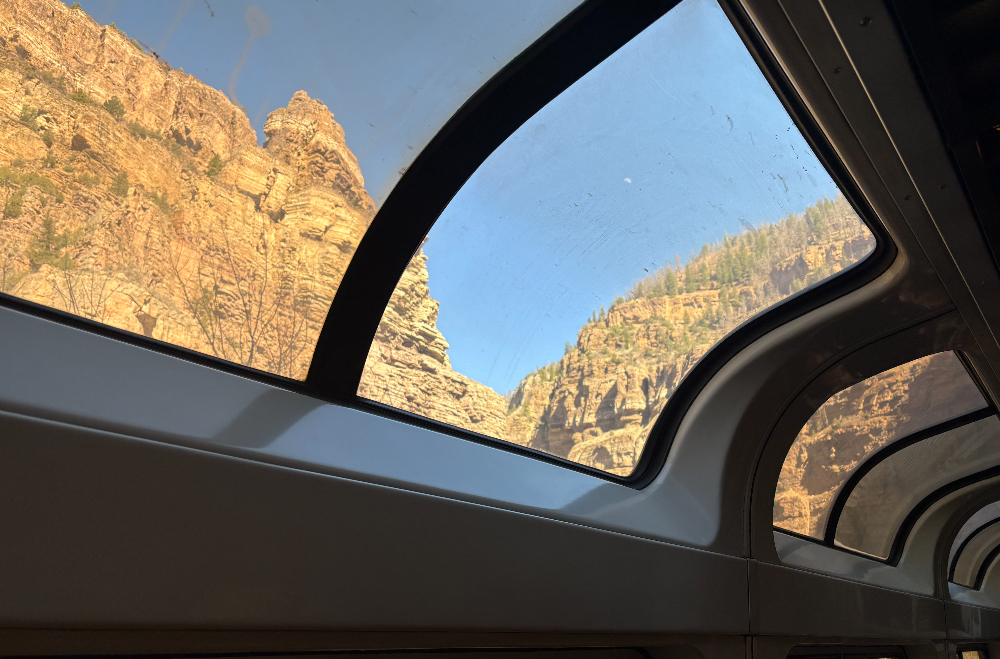
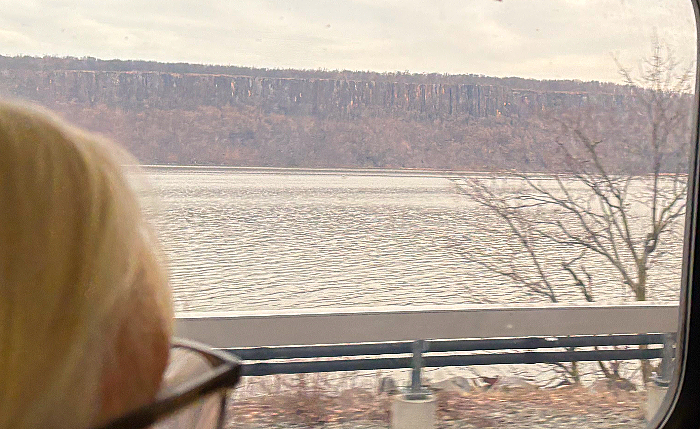
After a too-short visit with Ryan, Mary and I get up at 5am to ready ourselves for our shared train journey to Chicago. We Uber from Brooklyn to the Moynihan Train Station in Manhattan. Our train leaves on time and we head north following the Hudson River. Just north of Yonkers we see a cliff on the western shore that is reminiscent of the basalt rock formations in eastern Washington State. I learn from my phone that it is the Palisades rock formation, a twenty mile long cliff created from volcanic activity that occurred two-hundred million years ago. The cliffs have a vertical drop that in places is five-hundred feet high.
We pass through Rome and Syracuse. These towns, along with Troy and Ithaca, were named around the time of the Revolutionary war. Surveyors were tasked with naming these new townships, and needed to get the job done quickly. Copying the Greeks and Romans was an efficient way of doing this. With the United States being the first republic since ancient times, selecting these names was also a nod to the newly formed country’s grand experiment of democracy.
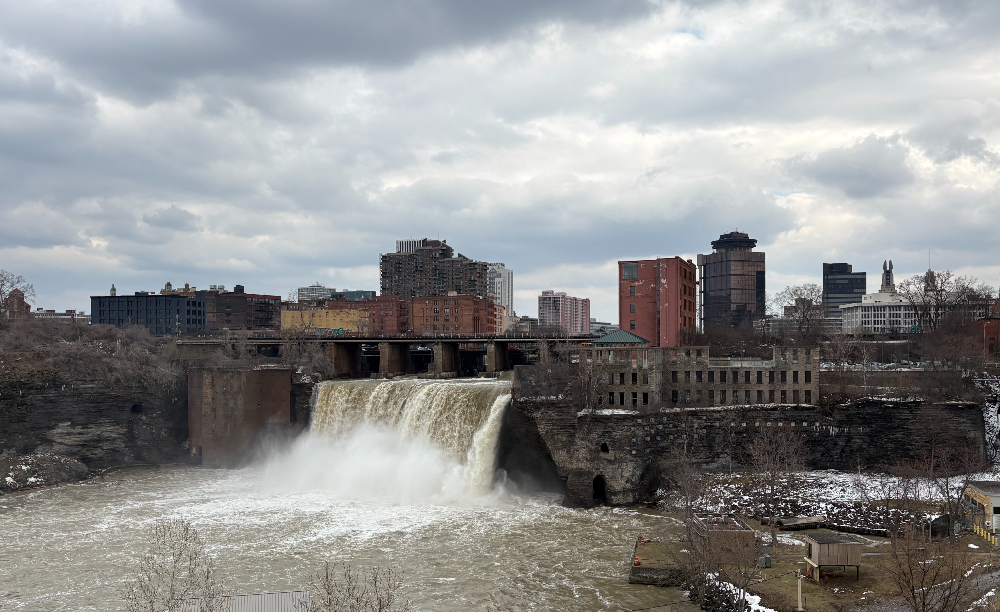
We arrive in Rochester in the afternoon. Lisa, Mary’s cousin, arrives shortly afterwards. Before taking us to her car, she walks in the opposite direction ands says “There’s something I want to show you” and walks out onto a wide pedestrian bridge crossing a river. From the bridge we can see a very large waterfall that is surrounded by what appear to be abandoned commercial buildings. She tells us that High Falls provided the power for Rochester’s early industries. After the completion of the Erie Canal in 1825 it became profitable to transport goods from here to New York City. There were many farms in the Rochester region that were good for growing wheat, and the High Falls and other waterfalls in the area provided the power necessary to turn the wheat into flour. By 1838 Rochester was the largest flour-producing city in the world. The local industry shifted to manufacturing in the 1850s, but it was still powered by the waterfalls on the Genesee River. By the 1890s, though, the only energy produced by the falls was hydroelectricity.
Rochester to Chicago via the #49 Lake Shore Limited, 11 hours 43 minutes
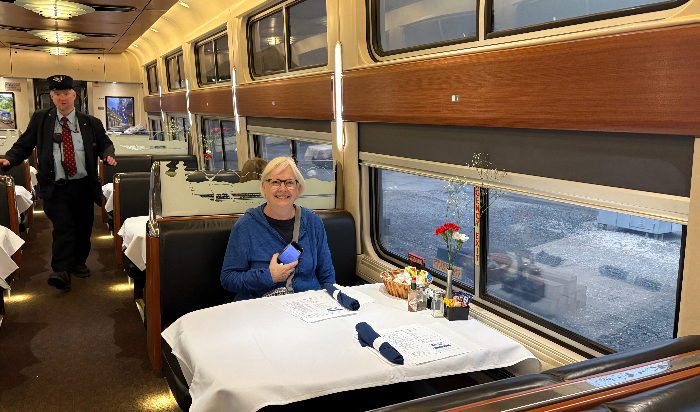
After a nice meal and visit with Lisa and her brother Jason, Lisa takes us back to the train station. Our train arrives at 11:30PM, but we will be sleeping in a Roomette for this stretch of the rails an can lay down for a good sleep . I am very impressed with the Roomette. It is better designed than ones I have had before, with lots of storage for both the lower and upper bunk beds. We both sleep extremely well. There is plenty of food in my Amtrak Cooler, but our Roomette comes with a free breakfast. We enjoy the experience, but I find myself longing for my home-made bread, fresh fruit and cheese.
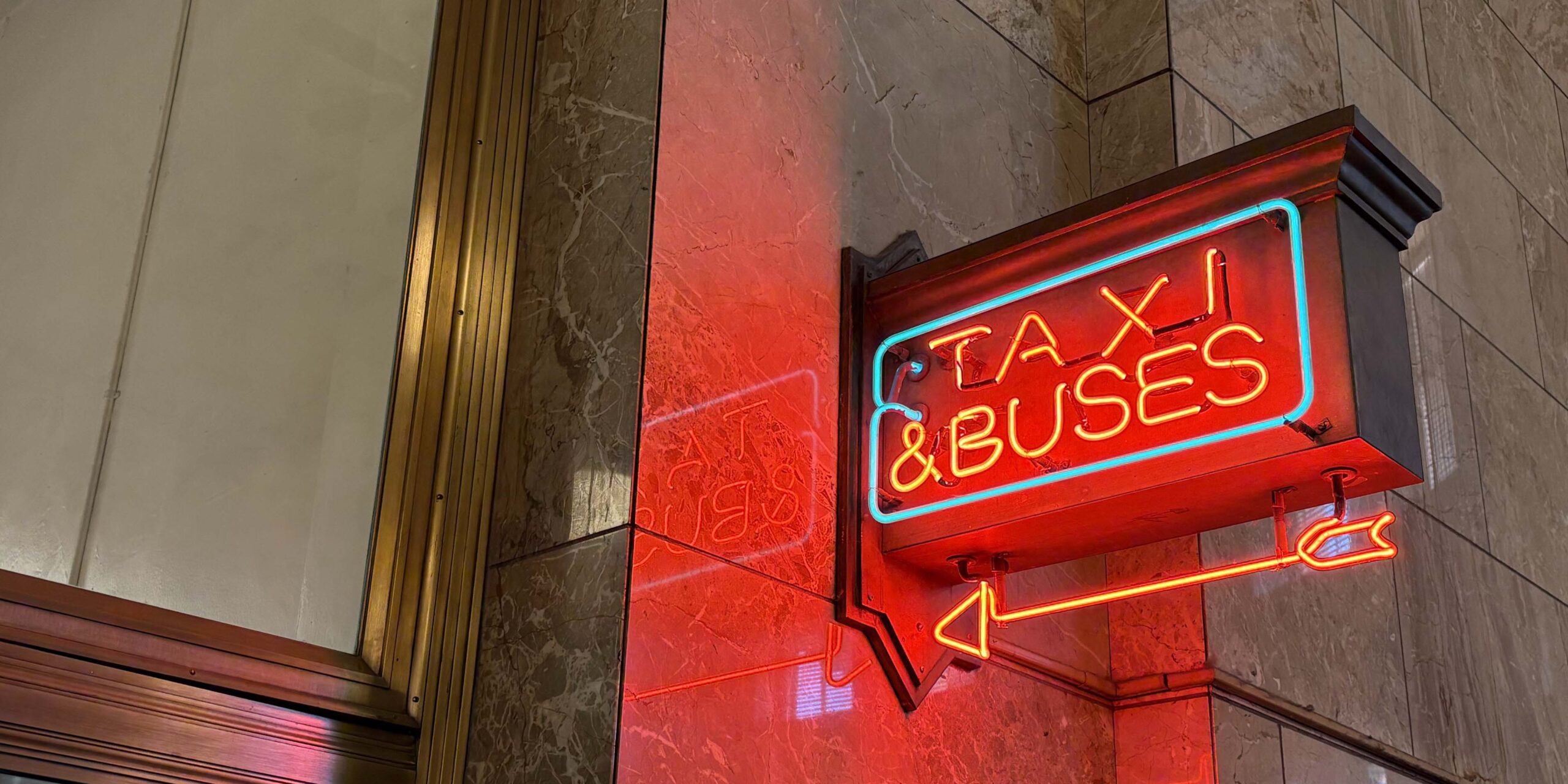
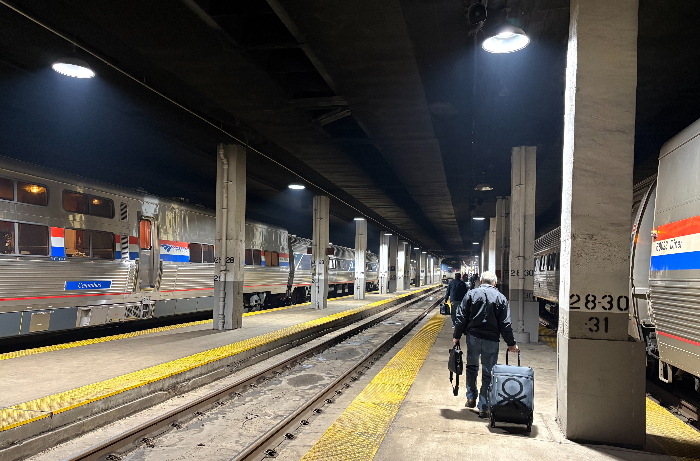
We head back to our room to prepare for our arrival in Chicago. The city’s Union Station is a work of art, but the underbelly where the trains arrive is another story. It is dark, noisy and gritty, with diesel fumes wafting up to the ventilation system. Personally, I love it! Most airports offer about as much drama as a shopping mall, with everything designed to keep people comfortable and protect us from ourselves and others. Not so with Amtrak.
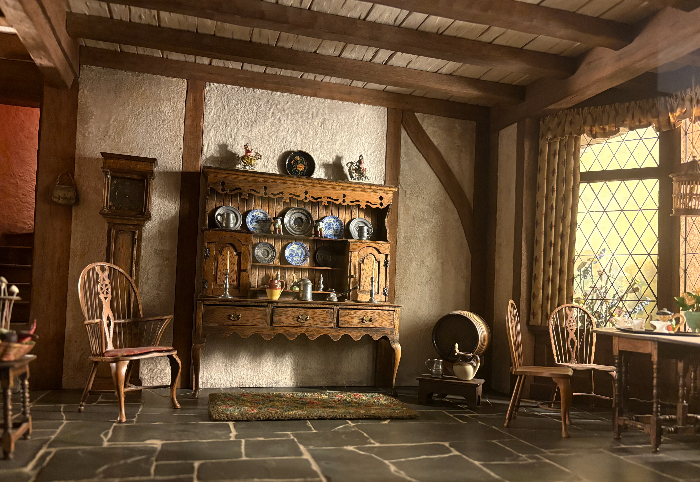
Mary and I enjoy our short visit to Chicago. We have dinner at a fancy steakhouse and breakfast at the iconic Lou Mitchell’s Diner. Our favorite experience, though, is the Art Institute of Chicago. I had a brief visit here on my very first train trip and am excited to see it again through Mary’s eyes. She loves the two rooms filled with French Impressionism art, but really falls in love with the Thorne Miniature Rooms. In the 1930s, Narcissa Thorne, a Chicago artist, assembled a group of skilled artisans to build home interior miniatures from different eras. Built on a scale of 1:12, the attention to detail is stunning, with everything down to the texture of the stucco walls being done perfectly to scale.